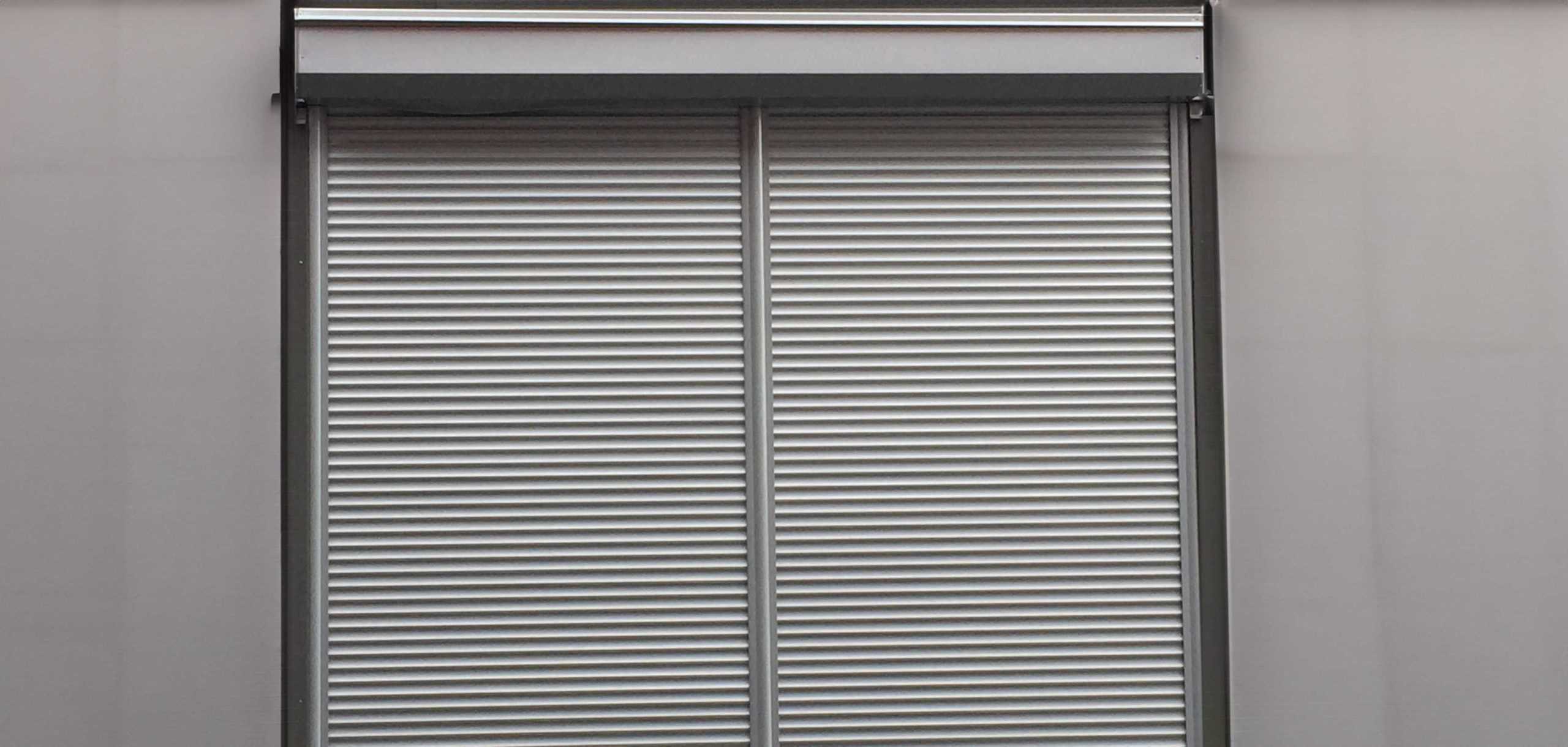
If you manage a commercial facility or overseas building operations in a hot climate, you already know the drill: summer arrives, temperatures soar, and your energy bills follow suit. Air conditioning systems run constantly, utility costs climb, and despite your best efforts, some spaces never quite feel comfortable. The culprit? Your windows. Even with modern double-pane windows, heat pours into buildings during peak hours, forcing HVAC systems into overdrive and draining budgets in the process.
The Real Cost of Heat in Commercial Buildings
Windows account for up to 40% of unwanted heat gain in buildings, according to energy efficiency studies. That’s not a minor issue when you’re trying to maintain comfortable indoor temperatures across thousands of square feet. The problem stems from three types of heat transfer: conduction moves heat directly through glass and frames, convection circulates hot air around building surfaces, and radiation beams solar heat straight through windows like an oven element.
Traditional solutions like upgraded window glazing help, but they’re fighting an uphill battle. You’re essentially trying to stop heat after it’s already reached your windows. What if you could block that solar radiation before it ever makes contact with your building envelope?
How Roll Shutters Create a Thermal Barrier
Roll shutters work differently than interior blinds or standard window treatments. When deployed, they create an air buffer between the exterior environment and your window surfaces, essentially adding an extra layer of thermal insulation to your building’s weakest points.
The construction matters here. Quality roll shutters use aluminum slats with foam core filling, combining lightweight durability with serious insulation value. That foam core isn’t just padding; it significantly increases the R-value of your window assembly, measuring how effectively the system resists heat flow. The aluminum exterior reflects solar radiation, while the foam core prevents heat transfer through conduction.
The guide rails and roll mechanism create tight seals along the edges, eliminating gaps where hot air typically infiltrates. This isn’t about aesthetics, it’s about creating a genuine thermal barrier that stops heat before it becomes your problem.
Blocking Solar Heat Gain at the Source
Here’s where roll shutters truly shine in hot climates. Standard double-pane windows allow approximately 76% of solar heat gain to enter buildings and convert to indoor heat. Roll shutters intercept that solar radiation externally, preventing the greenhouse effect that turns sunny rooms into saunas.
Think of it as applying sunscreen to your building. You wouldn’t wait until after a sunburn to apply protection, the same logic applies here. By blocking UV rays and solar heat gain before they reach your windows, you’re practicing passive cooling, a natural temperature control strategy that reduces your reliance on energy-intensive air conditioning.
The results are measurable. Facilities that install roll shutters on south and west-facing windows, where solar exposure peaks during afternoon hours, report significant reductions in indoor temperature without touching the thermostat. Your HVAC systems run less frequently, consume less energy, and experience less wear and tear over time.
Quantifiable Energy Savings
Let’s talk numbers, because energy efficiency ultimately shows up in your utility bills and operating budgets. Commercial facilities with properly deployed roll shutters typically see 15-30% reductions in cooling costs during peak summer months. For a mid-sized office building, that translates to thousands of dollars in annual energy savings.
Beyond the immediate cost reductions, you’re extending the lifespan of your HVAC systems. When air conditioning units aren’t struggling against constant solar heat gain, they cycle less frequently and operate more efficiently. Maintenance costs decrease, unexpected breakdowns become less common, and replacement timelines extend by years.
For organizations pursuing LEED certification or working toward NZEB (Nearly Zero-Emission Buildings) standards, roll shutters contribute valuable points toward energy performance goals. They improve your building’s EPC value and S-level ratings, metrics that matter when you’re trying to demonstrate sustainability commitments or prepare for increasingly stringent building codes.
The carbon footprint reduction is substantial too. Less energy consumption means fewer emissions, whether your facility runs on grid power or renewable sources. When you’re making sustainability reports to stakeholders or working to meet corporate environmental targets, these improvements carry real weight.
Smart Integration for Maximum Performance
Modern roll shutters aren’t manually cranked relics. Motorized shutters with home automation integration allow you to program optimal deployment schedules based on sun position, outdoor temperature, and building occupancy patterns. Your shutters can automatically lower during peak heat hours and raise when temperatures moderate, maximizing energy savings without requiring constant attention.
Integration with smart home systems and building management platforms takes this further. Sensors can trigger shutter adjustments in real-time, coordinating with your HVAC systems for holistic energy management. Some advanced installations even incorporate weather protection protocols, automatically deploying shutters when storm conditions threaten, adding an extra layer of security alongside the energy benefits.
Beyond Energy: The Full Value Proposition
While energy efficiency drives most installation decisions, roll shutters deliver multiple benefits that enhance their ROI. The same thermal barrier that blocks heat also provides acoustic insulation, reducing noise pollution in urban environments or facilities near busy roads. Privacy control and light control capabilities give you flexibility without installing separate systems.
UV protection extends the life of interior finishes, furniture, and equipment that would otherwise fade or degrade under constant sun exposure. For retail environments or facilities with expensive interiors, this preservation adds up over time.
Security features shouldn’t be overlooked either. Modern roll shutters include lift security systems that prevent manual override, creating physical barriers against burglary protection while still allowing natural light when raised. The same storm protection that guards against extreme weather doubles as an additional security layer for valuable assets or sensitive areas.
Installation Considerations
Professional installation matters more than many facility managers realize. Proper alignment of guide rails ensures the thermal barrier seals correctly. Motorized shutter systems need correct programming to maximize efficiency. An experienced installer also helps identify which windows benefit most from coverage based on solar exposure patterns and building orientation.
Working with established manufacturers like Talius, who’ve completed over 20,000 installations across North America, means accessing proven designs, reliable materials, and support networks when you need technical assistance or future expansions.
Making the Investment Work
Roll shutters represent a capital expense, certainly. But when you calculate payback periods against energy savings, reduced HVAC maintenance, extended equipment life, and potential utility rebates or tax incentives for energy efficiency improvements, the financial case becomes compelling. Most commercial installations see positive ROI within 5-7 years, with systems designed to perform for decades.
For hot climate regions where cooling dominates energy budgets, few building improvements deliver comparable returns. You’re not just reducing costs, you’re improving indoor comfort, supporting sustainability goals, and protecting your facility with a solution that pays for itself over time.