If your condo balcony feels more like a sauna than a relaxing retreat, you’re not alone. Blazing sun, relentless heat, nosy neighbors, and uninvited bugs can turn your outdoor space into a place you’d rather avoid. That’s exactly why more condo owners are turning to habitat screens, a modern outdoor shading solution that’s quietly transforming balconies across North America. Let’s break down everything you need to know.
What Are Habitat Screens?
Habitat screens are high-performance, roll-down exterior screens designed to give you full control over your outdoor environment. Think of them as the smarter, tougher cousin of your indoor blinds built specifically to handle the outdoors.
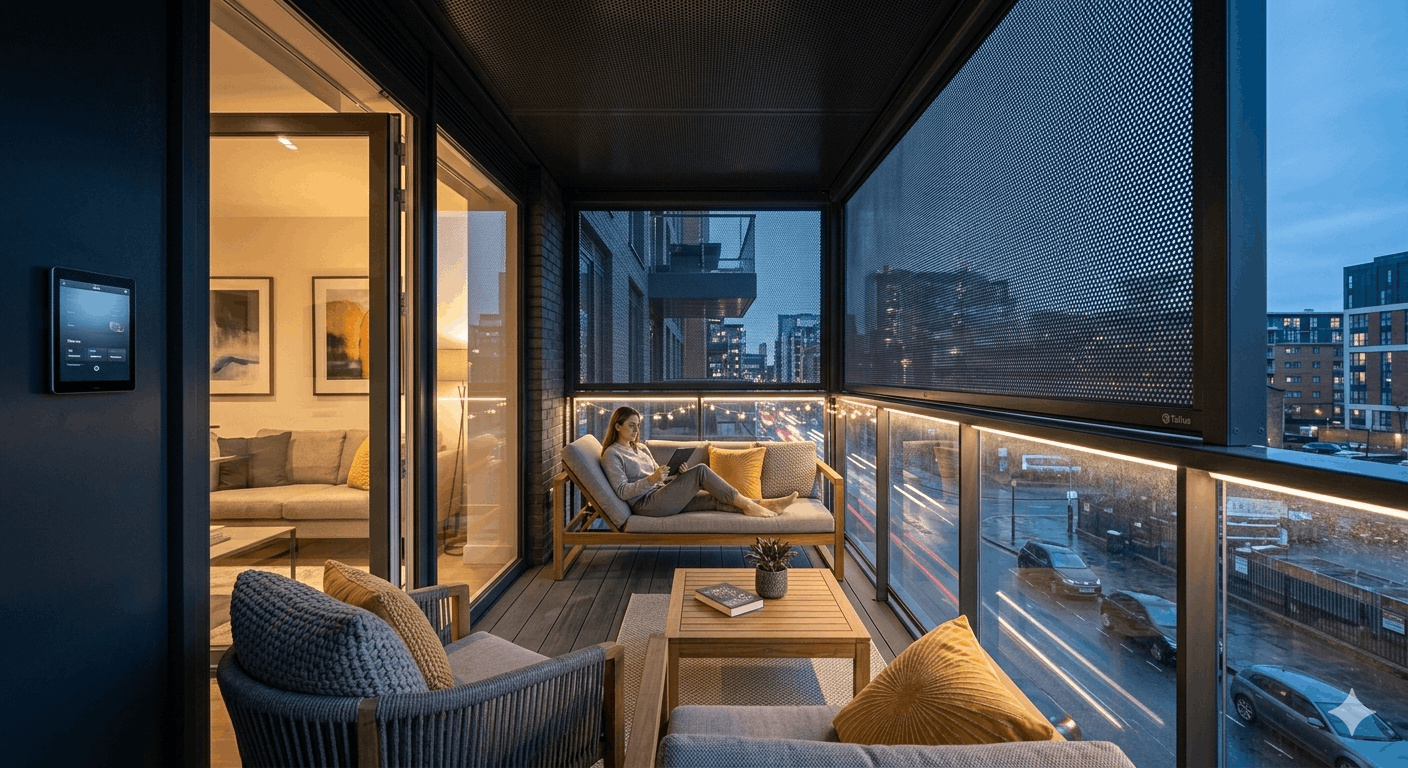
Unlike traditional window coverings, habitat screens are engineered for exterior use. They’re mounted outside your balcony frame and roll down on demand, either manually or through a motorized patio screen system you can control with the press of a button or even your smartphone. The automated shading system from Talius, for example, uses precision motors that let you raise, lower, or program your screens around your daily schedule.
What sets them apart from exterior roller blinds or basic patio curtains is their durability, weather resistance, and the sheer range of problems they solve simultaneously. They’re not just sun blockers, they’re a complete outdoor living upgrade.
Why Condo Balconies Actually Need This
Most condo balconies are exposed. There’s no tree cover, no overhanging roof offering shade, and in high-rise buildings, wind and direct sunlight hit from angles you simply can’t control with a potted plant or a patio umbrella.
Here’s what condo dwellers deal with daily:
- Intense heat that makes the balcony unusable from mid-morning onwards
- Harsh glare bouncing off surrounding buildings and onto your screens or eyes
- UV exposure that fades your outdoor furniture within a single season
- Insects sneaking in the moment you open the door
- Zero privacy from neighbors sitting just a few feet away on adjacent balconies
Each of these problems has a direct solution in a well-installed habitat screen. And when you’re dealing with all of them at once, which most condo owners are, it makes a compelling case for investing in one system that handles everything.
The Real Benefits of Habitat Screens for Condo Balconies
1. UV & Sun Protection That Actually Works
Sun control screens don’t just dim your balcony, they actively filter out harmful UV rays before they reach you, your furniture, or your flooring. UV protection screens from quality manufacturers like Talius can block a significant percentage of solar radiation, which means your outdoor cushions, rugs, and even interior floors near the glass door stay looking newer, longer. If your balcony faces south or west, this alone makes habitat screens worth every penny.
2. Heat Reduction You’ll Feel Immediately
Step onto a screened balcony on a hot afternoon and the difference is noticeable. Solar screens for patios work by intercepting solar heat before it radiates into your space, reducing outdoor temperature control issues significantly. And because less heat enters through your balcony door, your air conditioner doesn’t have to work as hard either. That means lower energy bills. These aren’t just heat reduction screens, they’re quietly functioning as energy saving window screens for your entire unit.
3. Real Energy Savings Over Time
Speaking of energy bills, this is one of the most underrated benefits of habitat screens for condo living. When your balcony acts as a heat buffer rather than a heat funnel, the impact on your interior temperature is real. Energy efficient home screens reduce the thermal load on your home, meaning your HVAC system runs less frequently. Over a summer, or especially over several years, those savings add up. Talius habitat screens are also aligned with LEED energy efficiency standards, something worth noting if you’re in a building with green building goals.
4. Privacy Without Losing Your View
One of the smartest things about modern patio privacy screens is that they don’t wall you in. High-quality solar screens are designed with an open-weave fabric that lets you see out clearly while making it much harder for neighbors to see in. You get the privacy of an enclosed space with the open feel of an outdoor balcony. It’s the kind of solution that feels obvious once you’ve experienced it, and you’ll wonder why you didn’t do it sooner.
5. Insect & Weather Protection
If you’ve ever tried to enjoy a summer evening on your balcony only to retreat inside because of mosquitoes, you’ll appreciate this one. Insect protection screens create a physical barrier that keeps bugs out without sealing your balcony off entirely. At the same time, weather resistant screens handle wind-driven rain and dust, two things that high-rise condo balconies are especially prone to. The materials used in quality outdoor roller screens are built to withstand prolonged exposure without warping, fading, or losing tension.
6. Clean, Modern Aesthetic
Beyond function, retractable screens simply look great. When rolled up, they’re barely visible. When deployed, they give your balcony a sleek, finished look that complements modern condo architecture far better than an ad-hoc umbrella or draped sheet. Motorized sun shades in particular add a premium feel, the kind of detail that makes a space feel intentional and well-designed.
Habitat Screens vs. Blinds – Let’s Be Honest
A lot of condo owners start by asking whether they can just use indoor blinds on their balcony. The short answer? You can try, but they won’t last, and they won’t perform.
Indoor blinds aren’t built for outdoor conditions. Rain warps them. Wind tears them. UV exposure bleaches them within weeks. They offer no insect protection, minimal UV filtering, and zero weather resistance.
Habitat screens, on the other hand, are purpose-built for the outdoors. They’re the best outdoor shading solution for balconies precisely because every design decision, the materials, the housing, the mechanism, accounts for real-world outdoor exposure. The comparison isn’t really fair. It’s like using a kitchen knife to cut through drywall and wondering why it doesn’t work.
How Installation Works for Condo Balconies
This is usually the first practical concern for condo owners, and rightfully so, since most stratas or condo boards have rules about exterior modifications.
The good news is that habitat screen installation is generally less invasive than people expect. The mounting hardware attaches to the balcony frame or ceiling, and professional installers from Talius’s authorized dealer network handle everything from measurement to set up. The system doesn’t typically require major structural changes, which makes strata approval more straightforward.
That said, it’s always worth checking your condo bylaws or getting board approval before moving forward. A reputable installer will have experience navigating this and can often provide documentation or product specs that help the approval process go smoothly.
For sizing, habitat screens are fully custom, they’re built to fit your exact balcony dimensions, whether you’re dealing with a narrow urban balcony or a wider wrap-around deck.
What Does It Cost?
Habitat screen cost varies depending on the size of your balcony, the type of fabric, and whether you opt for manual or motorized operation. Motorized patio screens with automated controls naturally sit at a higher price point than manual versions, but many homeowners find the convenience worth it, especially when you’re adjusting them multiple times a day based on sun position.
The smarter way to think about cost is through the lens of return. Energy savings, reduced furniture replacement, and the genuine increase in how often you actually use your balcony all factor into the value equation. Talius offers free quotes through their dealer network, so you can get an accurate number based on your specific space.
Is It the Right Fit for You?
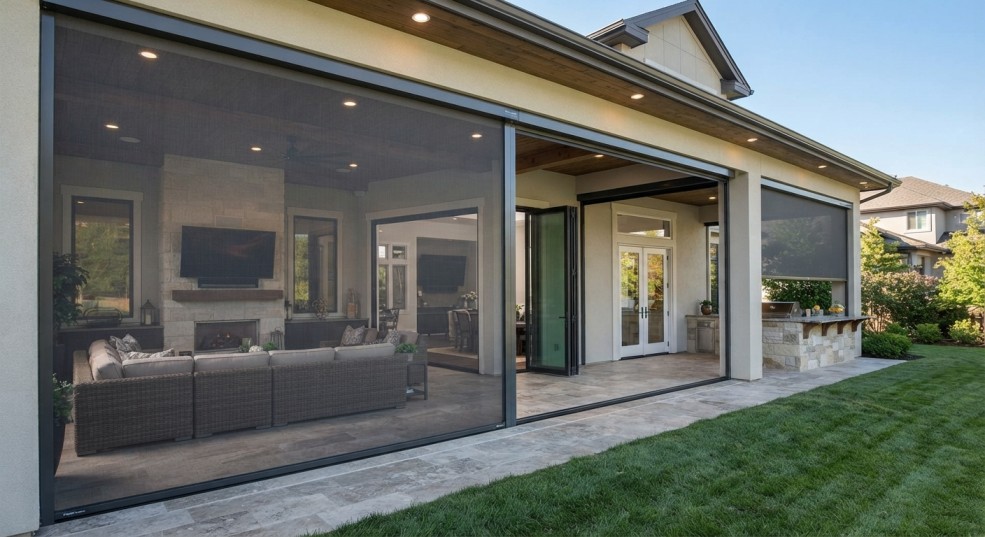
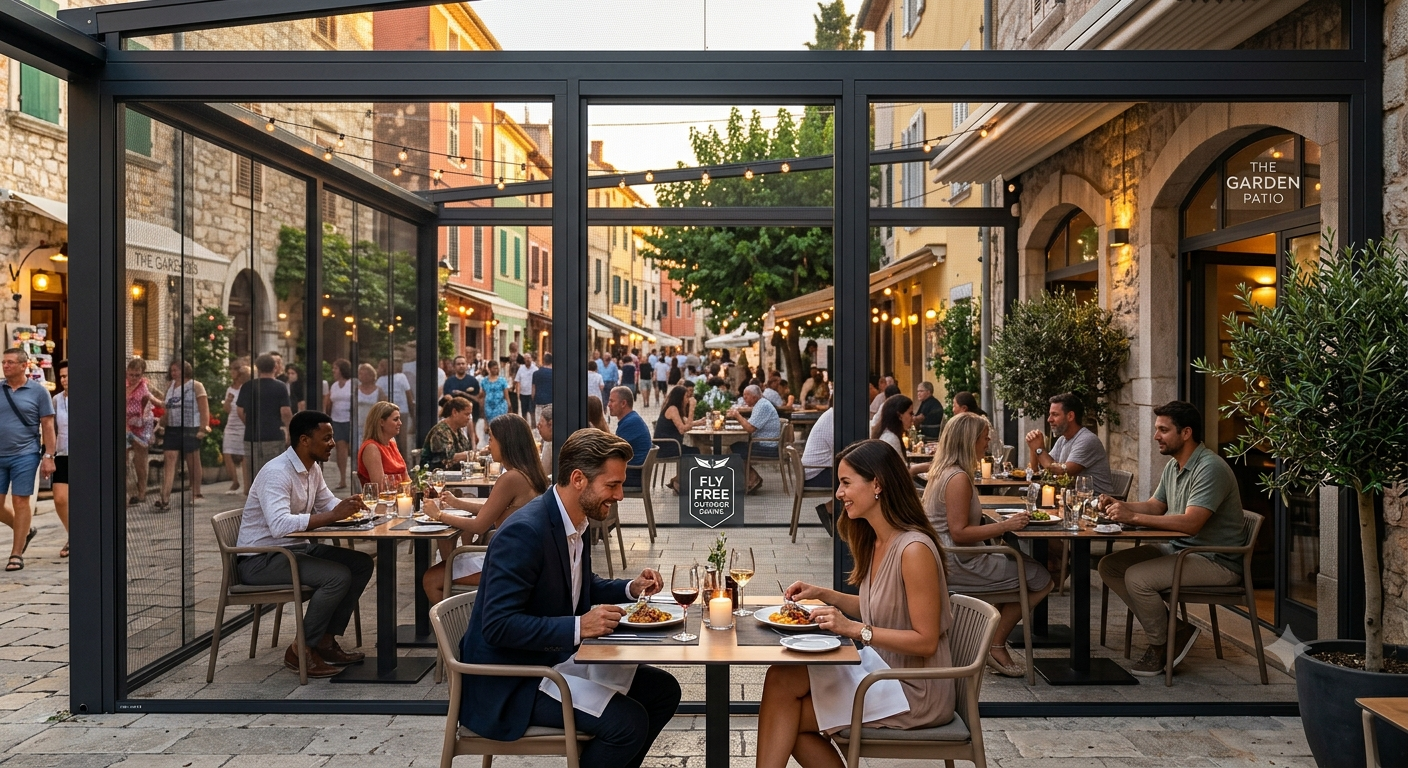
Habitat screens are an ideal fit for condo balconies that face direct sun, deal with privacy concerns, or are simply underused because of heat and insects. They work equally well for residential shading in homes, screen for sunrooms, screen for pergola setups, and even commercial shading screens for restaurant patios or office terraces.
If you want your balcony to become the most comfortable room in your home, not just a storage space for a folding chair, habitat screens are a serious upgrade worth considering.
Final Thoughts
Habitat screens aren’t a luxury, for many condo owners, they’re genuinely the missing piece that makes outdoor living comfortable year-round. From UV protection and heat control to privacy and energy savings, the benefits are practical, measurable, and lasting. If you’re ready to stop avoiding your balcony and start actually enjoying it, exploring Talius habitat screens is a great place to start.