B2B Guide 2026
Retractable Screens for Patios, Windows & Porches
Engineered exterior protection for patios, windows, and porches—solar control, insect defense, and weather barrier in one rolling system.
Solar & UV Protection
Insect-Proof Closure
Wind & Debris Defense

Why Retractable Screens Are a Growing Opportunity for Your Business
Property owners face a constant trade-off. Open a window or patio door to enjoy fresh air, and insects enter. Leave the glass exposed to direct sun, and the interior overheats, driving up air conditioning costs. Install fixed screens, and the view is permanently obstructed.
For B2B partners—dealers, specifiers, and general contractors—offering retractable screens is a strategic addition to any exterior shading or enclosure portfolio. The product bridges the gap between security shutters (hard barriers) and fabric awnings (soft shading), delivering year-round comfort without sacrificing aesthetics.
Retractable screens solve all three problems with a single, rolling mechanism. When deployed, they block solar heat, UV radiation, insects, and light debris. When retracted, they disappear completely into a compact headbox, restoring the clear view and unobstructed access.
Talius has manufactured exterior protection systems in North America for over 40 years. Their Habitat Solutions line of retractable screens is engineered specifically for demanding residential, commercial, and institutional applications. This guide covers technical specifications, fabric options, wind load performance, and installation considerations you need to specify these systems with confidence.
What Are Retractable Screens? Defining the Technology
A retractable screen is an exterior-mounted fabric panel that rolls up into a protective housing when not in use. Unlike fixed screens that remain in place permanently, retractable versions offer on-demand protection. The core components of a Talius Habitat retractable screen system include:
Headbox
An aluminum housing that contains the spring-loaded or motorized roller mechanism.
Screen Fabric
Engineered mesh specifically designed for exterior UV exposure and weather resistance.
Side Guides
Tracks that keep the fabric taut and aligned during operation.
Edge Retention
A zipper or similar mechanism that secures the fabric edges into the side guides, preventing billowing and insect intrusion.
Bottom Bar
A weighted or rigid profile that pulls the screen down evenly and locks it in place.
How it works: The screen deploys vertically (or horizontally) from the headbox. The side guide system maintains tension, while the edge retention seals the perimeter. When retracted, the entire assembly rolls up inside the headbox, leaving only a slim, unobtrusive housing visible.
This design makes retractable screens ideal for locations where permanent screens would interfere with architecture, views, or building operations.
Talius Retractable Screens Product Line
Talius offers three distinct Habitat screen solutions, each engineered for specific exterior protection needs.

Energy-efficient screens designed for superior solar protection, UV damage mitigation, and optimized comfort. Ideal for windows, patios, and outdoor living spaces where heat and glare are primary concerns.

The robust design and versatile mounting options allow for installation in the most challenging locations. Best for irregular openings, high-wind areas, or sites with limited mounting surfaces.

Durable protection against wind, rain, hail, snow, dust, and light flying debris. Unlike standard screens that focus on solar protection, Habitat Clear prioritizes weather barrier performance while maintaining visibility.
| PRODUCT LINE | PRIMARY FUNCTION | BEST APPLICATION |
|---|---|---|
| Habitat Screens | Solar protection & UV mitigation | Windows, patios, general outdoor comfort |
| Habitat Plus | Challenging installations | Irregular openings, limited mounting surfaces |
| Habitat Clear | Weather & debris protection | High-wind areas, exposed locations, storm-prone sites |
B2B Applications
Matching the right screen to the project.
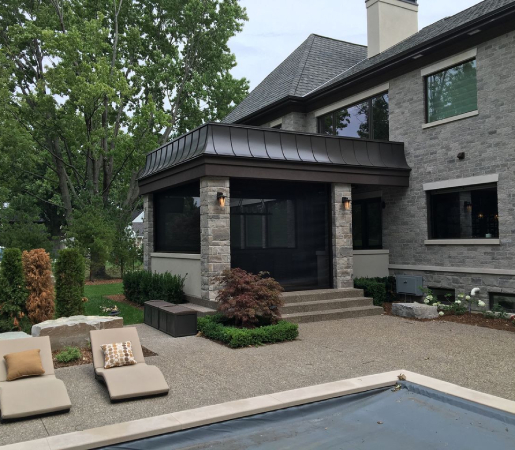
Residential
Residential Retractable Screens (Homes & Multi-Family)
Homeowners increasingly demand outdoor living spaces that are usable from spring through fall. A porch or deck that is unusable due to afternoon sun, biting insects, or blowing rain is wasted square footage.
Talius Habitat screens address these pain points directly. Installed on the exterior of windows, patios, gazebos, or cabanas, they provide:
• Solar heat reduction: Blocking 55% to 99% of solar radiation before it hits the glass.
• UV protection: Mitigating fading of carpets, furniture, and artwork.
• Insect defense: The zipper-style edge retention system seals the perimeter, preventing mosquitoes, flies, and other pests from entering.
• Wind and light debris protection: Shielding against rain, hail, snow, and dust.
For dealers, residential security shutters and retractable screens are complementary products. The shutters provide heavy-duty storm and burglary protection; the screens provide daily comfort and insect control. Offering both maximizes the lifetime value of each client relationship.
Commercial
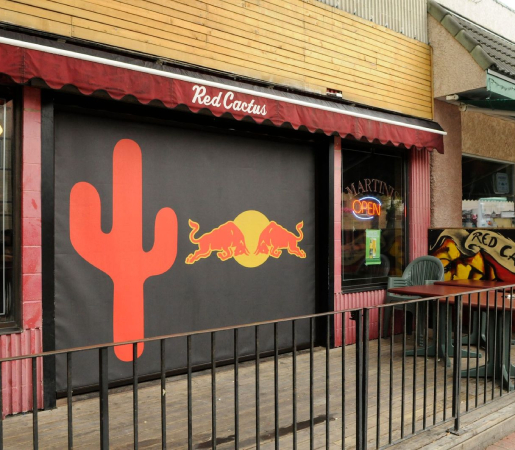
Commercial Retractable Screens (Restaurants & Storefronts)
Commercial applications prioritize three factors: durability, aesthetics, and operational convenience.
Restaurants with outdoor patios need to extend the usable season. When screens are deployed, patrons enjoy shade and insect-free dining. When retracted, the open-air ambiance returns. No fixed screens, no permanent enclosures.
For storefronts, storefront security shutters handle after-hours protection, but during operating hours, glare and heat through large glass windows remain problems. Exterior retractable screens lower cooling loads and improve customer comfort without blocking visibility.
Talius fabrics are engineered for high-traffic commercial environments, resisting mildew, UV degradation, and physical abrasion.
Industrial
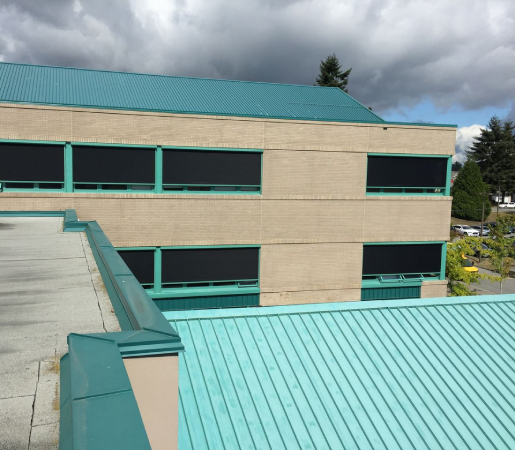
Institutional Retractable Screens (Schools & Public Buildings)
Schools, community centers, and municipal buildings often feature large windows, covered walkways, or outdoor learning areas. Fixed screens on these structures accumulate dirt, tear easily, and look institutional.
Retractable solutions offer a cleaner appearance. When not needed, the fabric retracts, eliminating ongoing maintenance exposure. When deployed, they provide shade for students, reduce glare on whiteboards, and create usable outdoor classroom space.
Preserve Your View While Protecting Against Sunlight
Talius fabric screens are made from vinyl-coated polyester, engineered specifically for exterior applications. Unlike interior shades that block the view, these fabrics reduce solar heat gain and UV exposure while maintaining outward visibility.
| SECURITY FEATURES | TALIUS | INTERIOR BLINDS | WINDOW TINTING | INTERIOR SCREENS |
|---|---|---|---|---|
| BLOCKS HEAT | ||||
| MAINTAINS VIEW | ||||
| ENERGY COST REDUCTION | ||||
| EXTERIOR MOUNTED | ||||
| RETRACTABLE | ||||
| BLOCKS UV | ||||
| EASY CLEANING | ||||
| INSECT BARRIER | ||||
| WIND RESISTANT | ||||
| PRIVACY |
Fabric Options: Matching Performance to the Environment
Talius offers five distinct screen fabrics, each engineered for specific performance requirements. Unlike interior roller shades, these materials are designed for continuous exterior exposure.
| FABRIC TYPE | WEAVE DENSITY | OPENNESS | UV PROTECTION |
|---|---|---|---|
| 55% Weave Density | 55% | 45% | 90% |
| 90% Weave Density | 90% | 10% | 95% |
| 95% Weave Density | 95% | 5% | 95% |
| 99% Weave Density | 99% | 1% | 99% |
| Solid Vinyl | >99% | <1% | >99% |
Key technical considerations for B2B partners:
Weave density determines visibility
Colour options vary by fabric type
All fabrics resist mildew and UV fading
Dealers should guide clients based on the primary complaint. If the issue is glare and heat, choose high-block. If the issue is insects and light debris with minimal heat reduction, low-block is sufficient. If the client wants both, mid-block fabrics provide the best balance.
Edge Retention: The Critical Differentiator
Standard retractable screens simply hang inside channels. When wind blows, the fabric billows out, leaving gaps at the edges. Insects enter. The fabric flaps, creating noise and stressing the material.
Talius solves this with a proprietary edge retention system using a zipper mechanism. The fabric edges are captured continuously along the full height of the side guides, creating a sealed perimeter.
For dealers, this is a tangible differentiator from lower-cost competitors. Ask any homeowner who has battled patio mosquitoes: a screen that leaves gaps is nearly useless.
- Insect-proof closure: No gaps for mosquitoes, flies, or wasps.
- Wind stability: The fabric remains taut, reducing flutter and noise.
- Extended fabric life: Less flapping means less stress on the weave.
- Clean appearance: The fabric sits flat, not bowed or wrinkled.
Wind Load Performance: Engineering for Real-World Conditions
A common client question: “What happens if I leave the screen down during a storm?”
Talius has performed internationally recognized wind load testing in controlled environments. The results depend on unit size and mounting conditions, but generally:
Standard operation
Talius does not recommend operating the screen (raising or lowering) in windy conditions. Wind resistance on the fabric makes operation difficult and can stress components.
Deployed position
When fully lowered and locked, the edge retention system allows the screen to withstand winds up to 100 mph, depending on size and mounting.
High-wind areas
Talius strongly recommends adding a wind sensor to motorized units. The sensor automatically retracts the screen when wind speeds exceed a safe threshold, protecting the investment.
B2B recommendation:
For coastal regions, open plains, or any location prone to sudden storms, always quote a wind sensor with motorized retractable screens. It is a modest upcharge that prevents costly service calls and damaged fabric.
Motorized vs. Manual Operation
Talius offers both manual and motorized operation for Habitat screens.
Manual Operation
- Lower upfront cost
- Ideal for smaller units (widths under 8–10 feet)
- Reliable and maintenance-free
- Spring-assisted mechanisms reduce lifting effort
Motorized Operation
- Convenience for large or hard-to-reach units
- Integration with home automation systems
- Wind sensors and sun sensors can automate deployment/retraction
- Smoother operation across wide spans
For commercial security shutters and business security shutters, motorization is standard. For retractable screens, the choice depends on frequency of use and unit size. A small window screen can be manual. A 16-foot-wide patio enclosure should be motorized.
Installation Requirements for B2B Partners
As a dealer or contractor, proper specification prevents callbacks. Talius provides detailed mounting guides, but here are three critical points:
Headroom clearance is essential
The headbox containing the rolled fabric requires adequate vertical space above the opening. Unlike security roller shutters which use round shafts, retractable screens use spring-loaded or motorized rollers with specific diameter requirements. Always verify clearance before finalizing dimensions.
Side guides must be plumb and square
The edge retention system (zipper) requires the side guides to be perfectly parallel and aligned. Any deviation causes binding or gaps. Use shims and verify with a level. This is not a forgiving system.
Wind sensors require power and programming
If quoting a wind sensor, confirm the motorized unit has power available at the headbox. Sensors must be mounted in an unobstructed location, typically on the building exterior near the screen. Programming should be completed during installation, not left for the homeowner.
Why Partner With Talius for Retractable Screens?
For over 40 years, Talius has manufactured exterior protection systems in North America. Their Salmon Arm, BC facility handles roll-forming, fabric lamination, assembly, and quality control under one roof.
Dealers benefit from:
Made-to-order manufacturing
Fabric selection
Component compatibility
Partner Zone access
Channel sales support
When you specify Talius, you are not buying a generic imported screen. You are buying an engineered system backed by a manufacturer that understands North American building codes, weather conditions, and installation practices.
Frequently Asked Questions
01 Can retractable screens be installed on existing windows and doors?
Yes. Talius Habitat screens retrofit to most existing openings. The mounting brackets attach to the exterior framing or masonry, and the headbox covers the roller mechanism. No structural modification is typically required.
02 How do Talius screens compare to interior blinds or shades?
Interior treatments block light after it has already entered the room, meaning heat has already passed through the glass. Exterior retractable screens stop solar radiation before it reaches the glass, reducing cooling loads by 30–50% in many cases. Exterior screens also preserve the window sill and interior decor space.
03 What is the maximum width for a single retractable screen unit?
04 Can retractable screens be combined with security shutters on the same opening?
05 What maintenance do retractable screens require?
Minimal. Periodically clean the fabric with mild soap and water. Inspect the side guides for debris. Keep the zipper edge retention system free of dirt. Motorized units require no user maintenance beyond clearing the wind sensor annually.
Expand Your Exterior Solutions Portfolio With Talius
The market for retractable screens is growing as property owners seek energy-efficient, insect-proof, and view-preserving solutions for windows, patios, and porches. Unlike fixed screens that compromise aesthetics, retractable systems offer on-demand protection that disappears when not needed.
For dealers and contractors, adding Talius Habitat screens to your product lineup creates cross-selling opportunities. A client who buys residential security shutters for storm protection is an excellent candidate for retractable screens on their patio. A restaurant with storefront security shutters needs daytime solar control for their dining area.
Talius provides the engineering, the fabric choices, the motorization options, and the B2B support to make every installation successful. From a single residential porch to a multi-location commercial portfolio, Talius builds retractable screens that deliver comfort, visibility, and durability.
Ready to become a Talius authorized dealer? Visit the Partner Zone at talius.com to access technical resources, CAD drawings, fabric samples, and direct channel sales support.