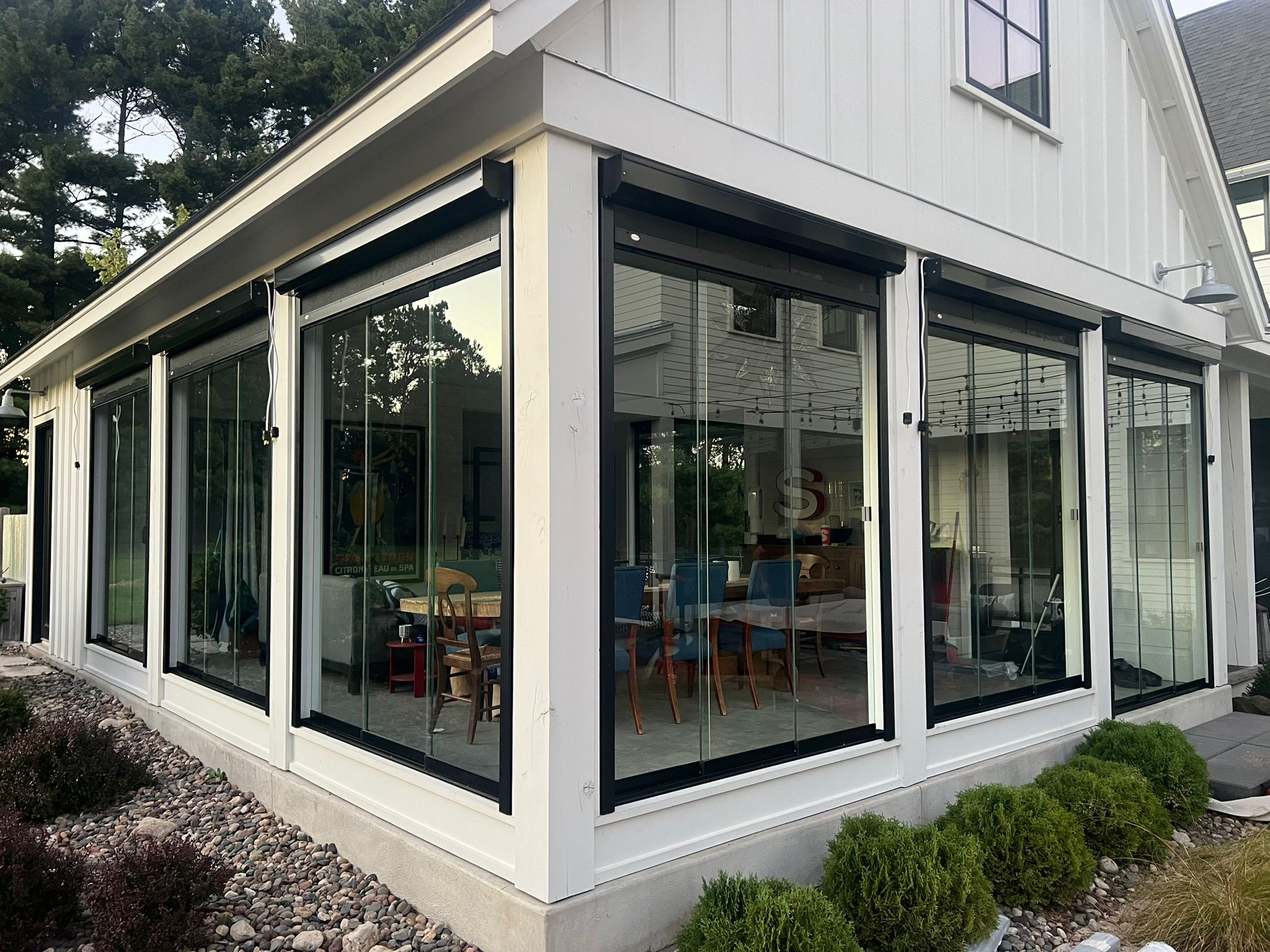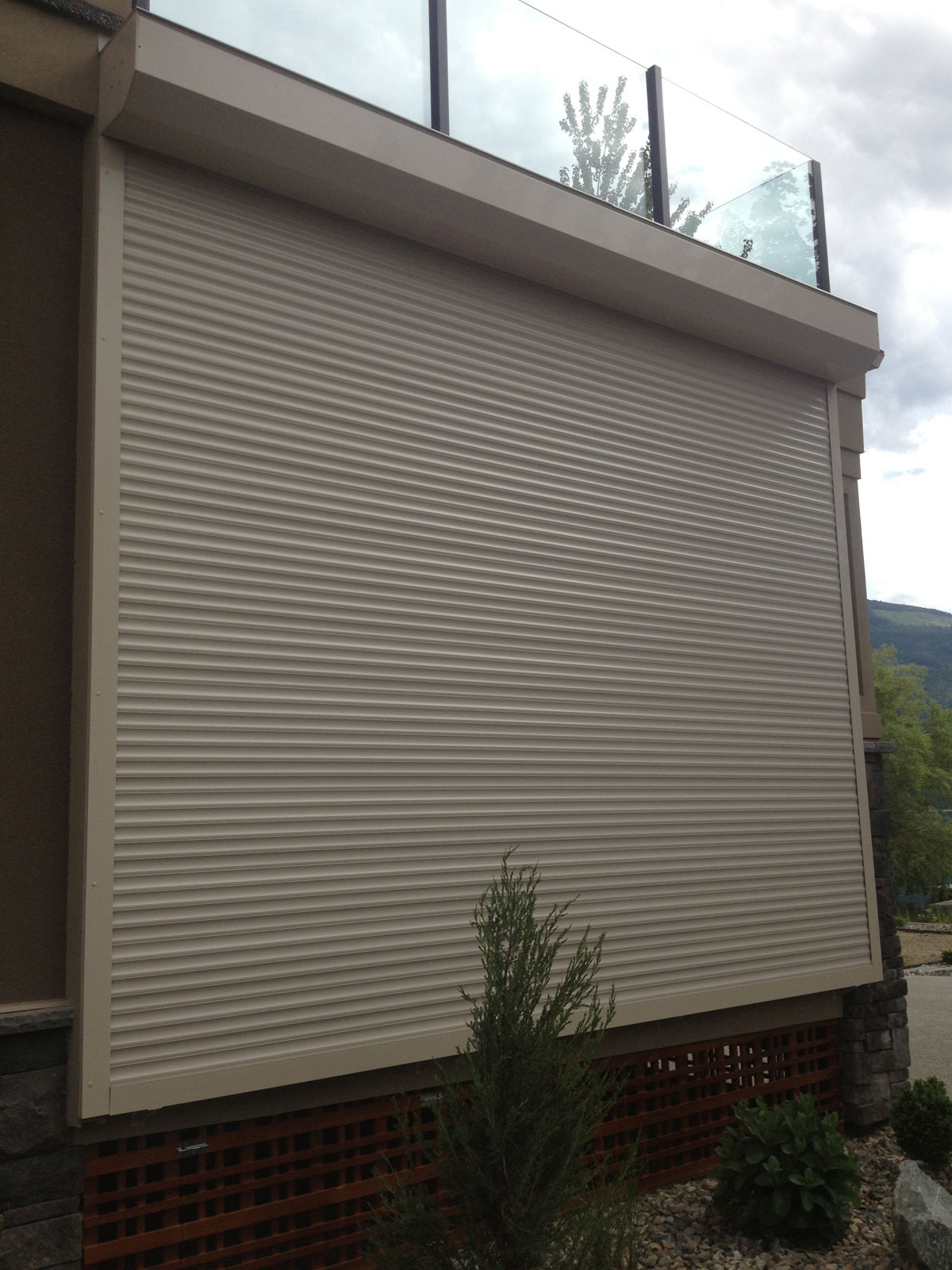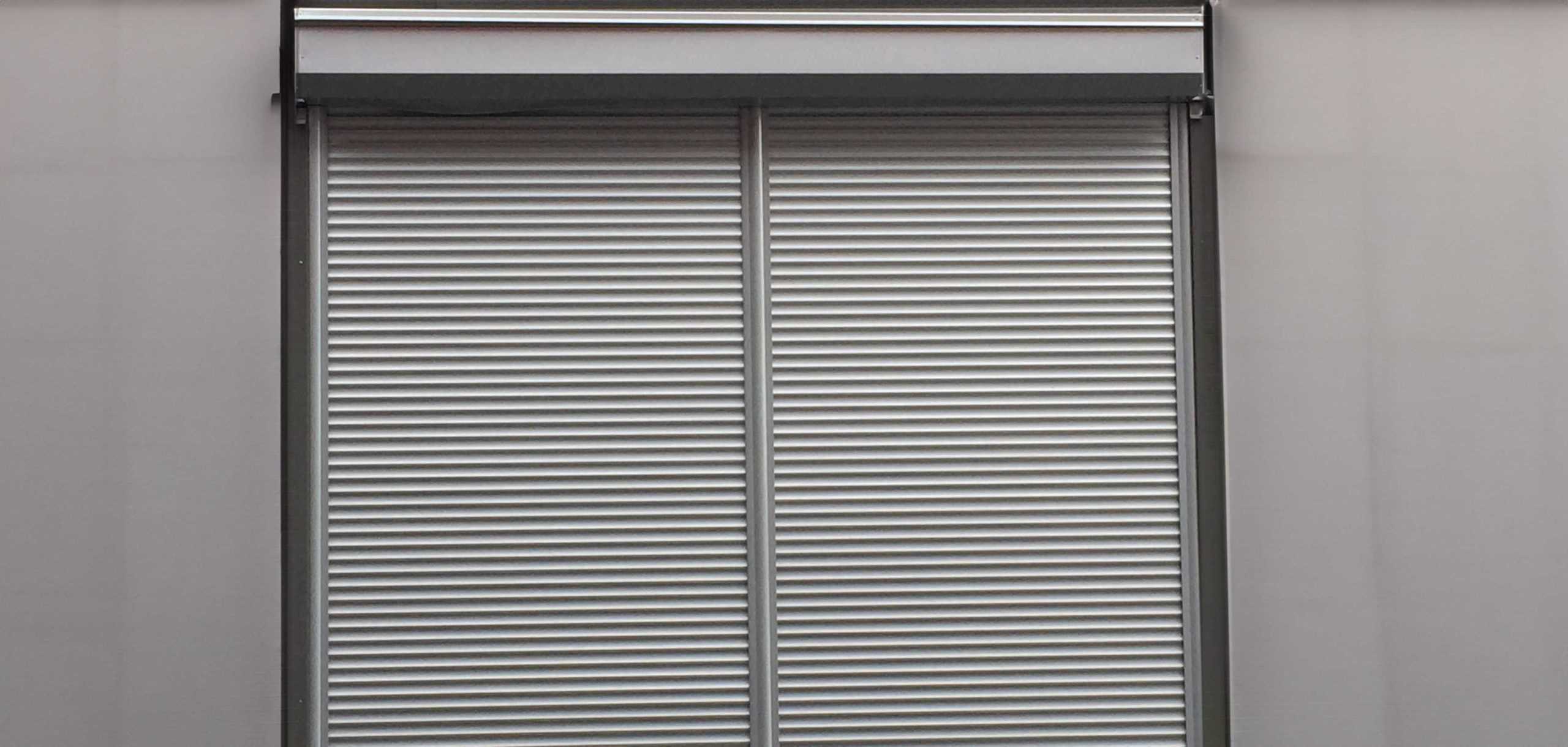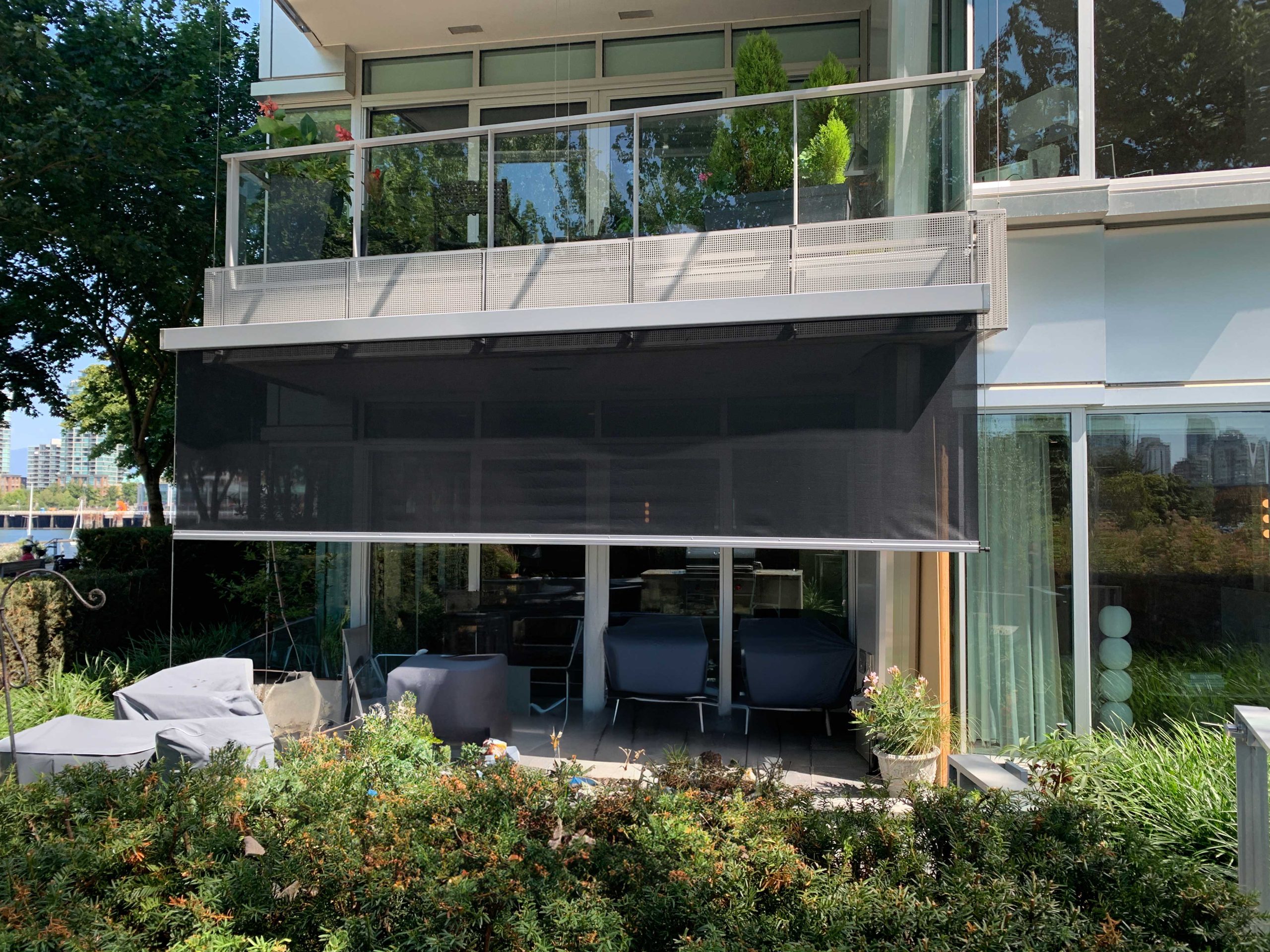
Summer heat doesn’t just make buildings uncomfortable, it drives cooling bills through the roof. Commercial properties lose 25-35% of their cooling energy through windows, leaving HVAC systems working overtime. Habitat screens offer a smarter approach as exterior mounted shading solutions that stop solar heat gain before it penetrates your building. Understanding how these systems achieve passive cooling through reflection, absorption, and air circulation helps explain why they deliver measurable temperature reduction and energy savings.
The Science Behind Solar Heat Gain
Walk near a sun-drenched window on a hot afternoon and you’ll immediately feel the heat radiating inward. That’s electromagnetic radiation at work, specifically infrared radiation, which our eyes can’t see but our skin definitely feels. While double-pane windows and quality glazing do an excellent job filtering out harmful UV rays, they allow infrared heat to pass right through the glass filter.
Here’s where the problem gets worse. Once that infrared radiation crosses through your window surface, it gets trapped inside like a greenhouse. The heat that enters can’t easily escape back through the glass, so it accumulates in your space. Your air conditioning unit then battles constantly to remove this trapped solar heat, driving up cooling energy demand and electricity bills while increasing your building’s carbon footprint.
Many building managers try solving this with interior window treatments, blinds, shades, or curtains. The issue? By the time you’re blocking light with interior shades, the heat has already invaded your building envelope. You’re essentially closing the barn door after the horse has bolted. The comparison between exterior vs interior window treatments isn’t even close. Interior solutions force your HVAC system into overdrive, removing heat that never should have entered in the first place.
Exterior mounted screens flip this equation. Instead of dealing with heat that’s already inside, they create a thermal barrier outside your building envelope, intercepting solar radiation before it reaches the window surface. This fundamental difference explains why outside installation delivers far better results than any interior approach.
Three Mechanisms That Block Heat
Habitat screens don’t rely on just one trick, they use three distinct mechanisms working simultaneously to slash heat gain through windows.
The first mechanism is straightforward shading efficiency. The fabric creates a physical barrier between direct sunlight and your glass, generating shade creation where it matters most. But there’s more happening than a simple shadow. The screen sits several inches away from your window, creating an insulating air gap, an air space that acts as a buffer zone. This gap experiences significant temperature reduction because air circulation allows heat to dissipate before reaching the glass. Depending on fabric selection, quality systems block up to 76-97% of solar heat at this stage.
The second mechanism involves light reflection. The screen material doesn’t just absorb sunlight, it reflects a substantial portion away from your building. This reflectivity varies by fabric type, but vinyl-coated polyester materials excel at bouncing solar radiation back into the atmosphere. The less heat that contacts your window surface, the less heat transfers inside. Buildings with properly installed exterior screens often measure temperature reduction of 10-11°C (about 20°F cooler) in the air space between screen and window compared to unprotected glass.
The third mechanism handles whatever heat makes it past reflection. Through heat absorption and light absorption, the screen fabric captures residual solar energy. But here’s the clever part, that absorbed heat doesn’t stay trapped. Thanks to the ventilation properties of screen fabric and natural air circulation, the heat dissipates back into the outdoor environment. This passive cooling happens automatically, requiring zero electricity. It’s natural cooling at its finest.
When these three mechanisms combine, shading, reflection, and absorption with ventilation, the results are impressive. Well-designed installations routinely achieve 40% cooling reduction compared to unprotected windows. Most commercial buildings see 10-25% energy savings on their overall cooling bills, with the greatest impact on spaces with significant glazing.
Real Performance Numbers
Let’s get specific about what habitat screens accomplish in actual buildings. That temperature reduction we mentioned, 10-11°C or 20°F cooler in the buffer zone, isn’t marketing hype. It’s measurable with an infrared thermometer on any sunny afternoon.
This dramatic temperature drop translates directly to reduced cooling energy demand. Your HVAC system doesn’t work as hard because there’s simply less heat to remove. A 40% reduction in cooling load through windows means your air conditioning unit runs fewer hours, cycles less frequently, and lasts longer. The compounding effect on energy bills becomes obvious within the first cooling season.
For a typical 30,000 square foot commercial building with standard glazing in a hot climate, habitat screens can cut $8,000-$15,000 annually from electricity bills. The screens typically pay for themselves in three to five years, then continue delivering savings for their 15-20 year lifespan.
Beyond direct cost savings, exterior mounted screens improve your building’s energy performance metrics. They contribute positively to EPC score (Energy Performance Certificate) calculations and help earn LEED certification credits. As organizations set ambitious goals for carbon footprint reduction and CO2 emissions cuts, these screens provide a tangible, provable strategy for progress.
The performance gap between exterior vs interior window treatments becomes stark when you measure actual cooling energy consumption. Interior shades might block your view and darken rooms, but they barely dent your HVAC workload. Exterior screens, by contrast, keep heat from ever challenging your cooling system.
Smart Features That Amplify Benefits
Modern habitat screens go beyond passive operation. Integration with building automation systems allows screens to deploy and retract based on actual conditions rather than manual operation. Sun sensors detect when solar radiation hits specific building facades and automatically lower screens before heat builds up. When the sun moves or clouds roll in, screens retract to capture natural daylight.
Environmental sensors add another layer of intelligence. Wind resistance matters for exterior installations, quality habitat screens typically withstand Beaufort scale ratings of 6-7, but automated systems can retract screens when conditions exceed safe limits. This protects your investment while maintaining the core benefit of passive cooling during normal weather.
The automation isn’t just convenient, it maximizes heat reduction performance. Manual systems depend on someone remembering to lower screens before buildings heat up. Automated systems respond instantly, ensuring you capture every opportunity for natural cooling and solar heat gain prevention.
Fabric selection also plays a crucial role in blocking heat. Tighter weaves block more solar radiation but reduce visibility. Commercial installations typically balance these factors, choosing fabrics that stop 90-95% of heat while maintaining reasonable views. The right fabric for west-facing windows differs from north-facing installations, and experienced dealers help specify optimal choices for your specific exposure.
The Bottom Line on Summer Cooling
Habitat screens reduce heat gain through three simultaneous mechanisms: reflecting solar radiation away from buildings, absorbing residual heat, and using air circulation to dissipate warmth before it reaches windows. This coordinated approach blocks solar heat gain at the source, delivering temperature reduction of 10-11°C and cooling energy demand cuts of 40%. The result shows up clearly in reduced energy bills and improved building comfort, making exterior mounted screens one of the smartest investments for passive cooling performance.