Energy costs continue climbing, and building managers are searching for smarter ways to control interior temperatures without breaking the budget. Habitat screens have emerged as a game-changing solution for commercial and institutional properties. These exterior mounted screens block solar heat gain before it penetrates windows, delivering measurable HVAC cost reduction. This comprehensive guide explains everything you need to know about specifying habitat screens for your next project.
Understanding Habitat Screens: The Basics
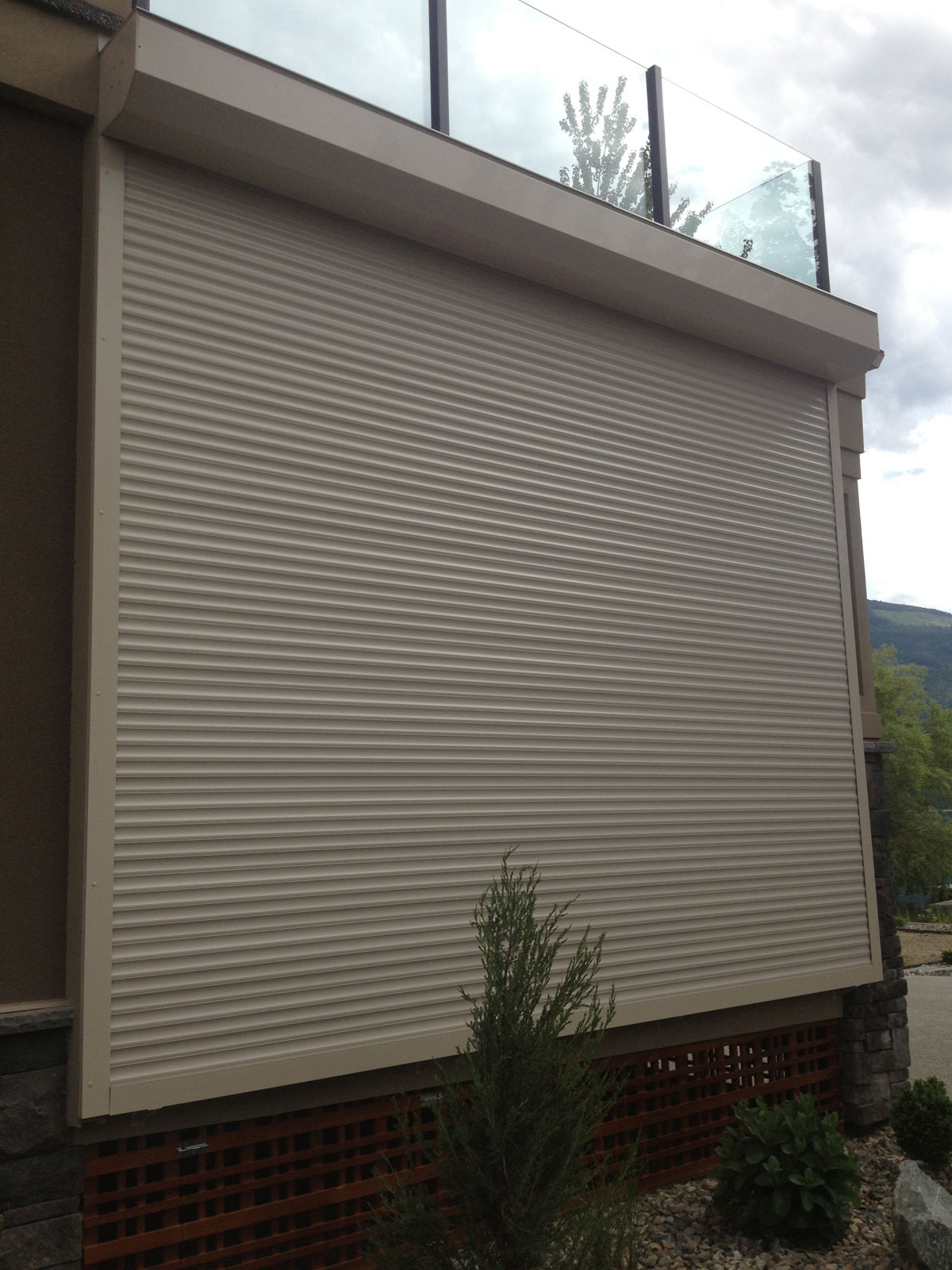
Habitat screens are retractable shading systems installed on the exterior of buildings to provide solar protection. Unlike interior blinds that trap heat between the glass and fabric, these exterior shading solutions intercept sunlight before it enters the building envelope. The result? Dramatically improved thermal comfort and energy efficiency.
Think of them as sunglasses for your building. When deployed, the vinyl-coated polyester fabric blocks UV rays while maintaining visibility. When you don’t need them, they retract completely into a sleek aluminum housing mounted above windows or doors.
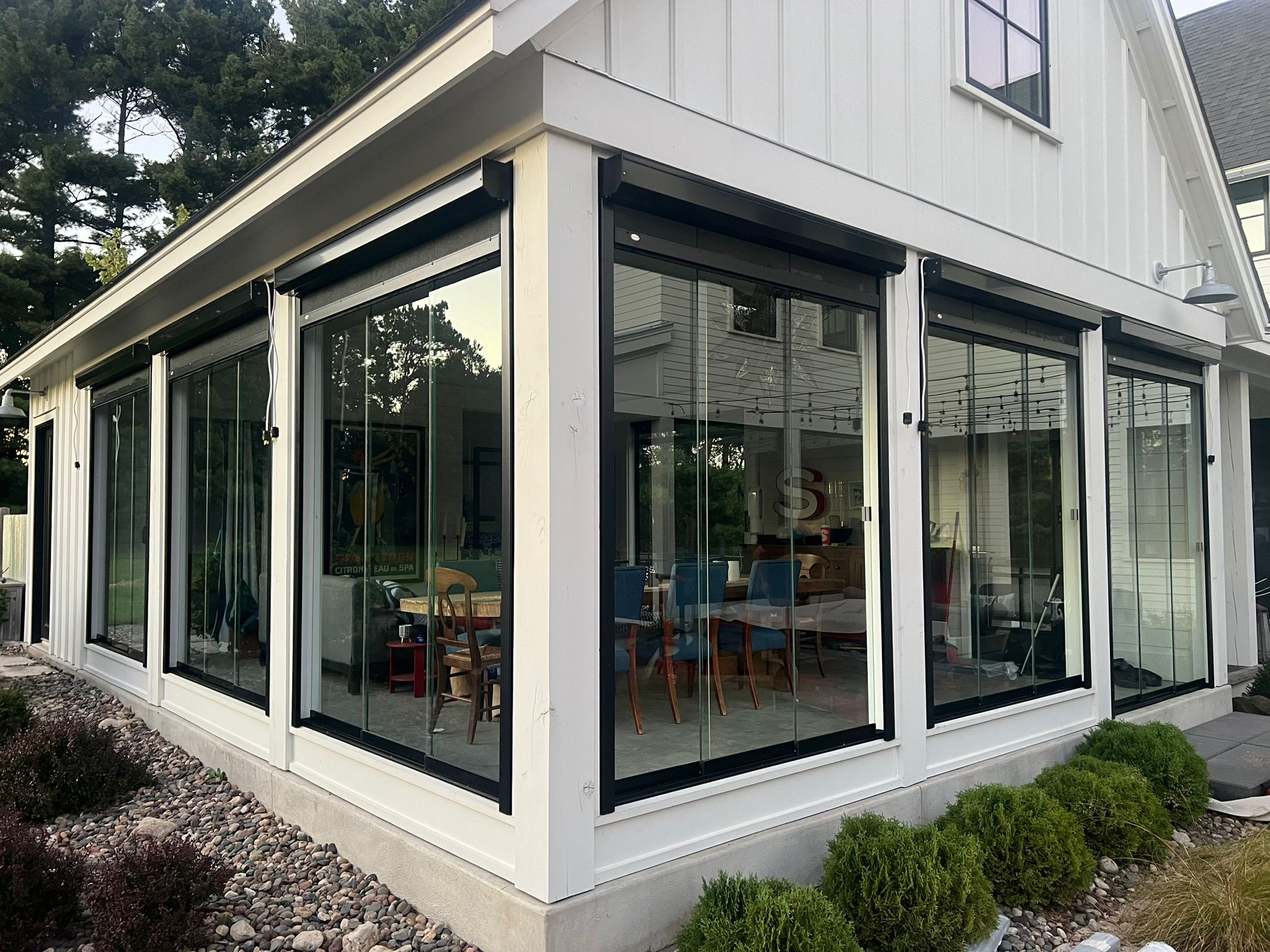
The technology works particularly well for patio enclosures, commercial storefronts, and institutional buildings with extensive glazing. Building managers report solar heat gain reduction of up to 50%, translating to significant air conditioning savings during peak summer months.
How the System Works: Components Explained
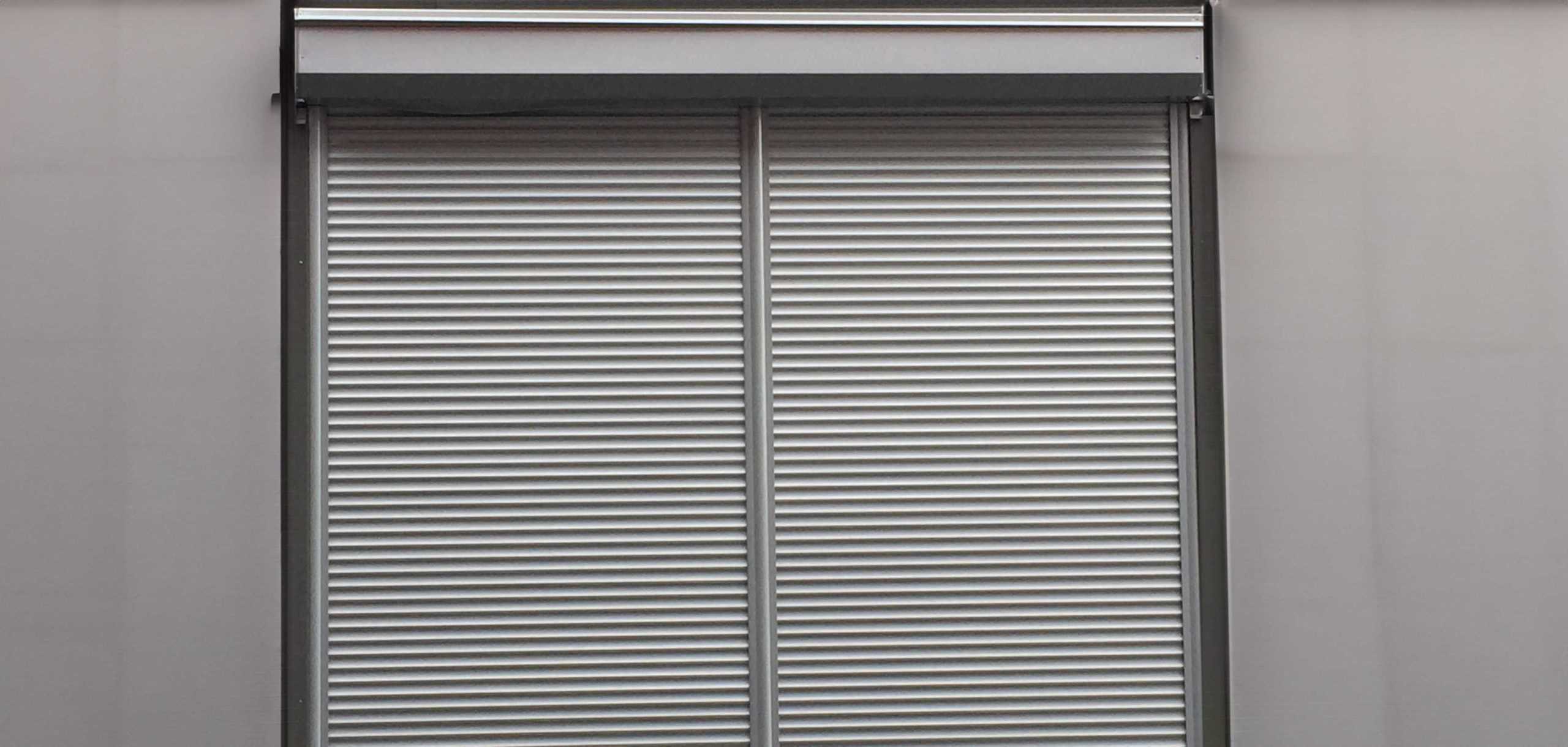
A habitat screen system consists of several engineered components working together. The panel box (aluminum housing) sits above the opening and contains the rolled fabric when retracted. Standard units use a 5-inch box, while Habitat XL systems for wider openings feature a 5 7/8-inch extruded aluminum panel box.
Guide rails (also called side channels) run vertically along both sides of the opening. These aren’t decorative, they’re critical for wind resistance. The edge retention system includes a specialized zipper that locks the fabric into the guide rails, allowing properly installed units to withstand winds up to 100 mph depending on size and mounting conditions.
At the bottom, a weighted hem bar (bottom profile) keeps the fabric taut and helps it track smoothly during operation. The fabric itself is specifically engineered vinyl-coated polyester designed for exterior applications, not repurposed interior shade material.
Motorized vs. Manual Operation
You have two choices for operation. Manual operation uses a crank mechanism and works fine for smaller installations where users can easily reach the controls. However, most commercial projects specify motorized operation using Somfy motors with RTS (Radio Technology Somfy) technology.
Motorization isn’t just about convenience. It enables building automation integration, allowing screens to respond to sun sensors, wind sensors, and timers. Some facilities program their screens to automatically deploy when the sun hits specific facades, then retract at sunset, optimizing energy efficiency without human intervention.
Choosing the Right Fabric: Openness Factor Matters
The fabric you specify dramatically impacts performance. The openness factor (also called weave density) determines how much light passes through. Here’s how the main options compare:
TuffScreen offers 45% openness with 55% UV blockage. It provides maximum visibility and airflow, making it popular for applications where maintaining views is critical while still achieving insect protection.
SunTex 90 delivers 90% UV protection with 10% openness. This represents the sweet spot for most commercial installations, excellent solar protection while preserving outward visibility.
SunTex 95 tightens the weave to 5% openness and blocks 95% of UV rays. Specify this for west-facing windows that take the afternoon heat punishment.
SheerWeave 4800 provides 99% UV blockage with just 1% openness. It offers daytime privacy while still allowing occupants to see out. The fabric appears nearly opaque from outside but maintains reasonable visibility from inside.
Soltis Proof 502 is completely opaque (0% openness) for applications requiring nighttime privacy or complete solar protection.
The right choice depends on your project’s sun exposure, privacy requirements, and whether maintaining views is essential for occupant satisfaction.
Energy Efficiency: The Real ROI Story
Let’s talk numbers. Buildings typically lose 25-35% of their cooling energy through windows. Habitat screens intercept solar heat gain before it reaches the glass, reducing cooling demand by approximately 40% in properly specified installations.
For a 50,000 square foot commercial building in a hot climate, that translates to $15,000-25,000 in annual air conditioning savings. The screens typically pay for themselves in 3-5 years through reduced HVAC costs alone.
Beyond direct energy savings, habitat screens contribute to LEED certification points for energy efficiency measures. They also improve thermal comfort near windows, that zone where employees once avoided sitting due to heat and glare.
Installation Methods for Different Applications
Face-of-wall installation represents the most common approach. The panel box and guide rails mount directly to the building facade above and beside the opening. This method requires ensuring the guide rail extends slightly below the window opening and at least 2 inches above.
Below-header installation suits situations where you’re mounting tight beneath an overhang or other obstruction. This approach carefully calculates the overall unit height to ensure proper clearance.
For challenging applications, consider specialized systems. Habitat XL handles wider openings with maximum dimensions up to 22’10” width by 14′ height. The reinforced components and larger panel box accommodate the additional fabric weight and wind loads.
The cable-guided system (Habitat Plus) replaces traditional guide rails with stainless steel cables, making it ideal for high-rise buildings or locations where conventional rail mounting proves difficult. This system excels at patio enclosures on upper-floor balconies where wind loads demand robust engineering.
Smart Building Integration
Modern commercial projects increasingly demand automation. Habitat screens integrate seamlessly with building automation systems through standard protocols. Specify environmental sensors to enable intelligent operation:
Wind sensors automatically retract screens when gusts exceed safe operating limits, protecting your investment. Sun sensors trigger deployment when solar intensity reaches specified levels, ensuring consistent energy savings without manual intervention. Rain sensors can extend screens to protect outdoor seating areas or retract them to avoid unnecessary moisture exposure.
For multi-zone buildings, group multiple screens on separate channels. A single controller can manage dozens of units, with zone-based operation allowing different facades to operate independently based on sun position throughout the day.
Specifying for Your Project
When writing specifications, consider these factors. Maximum dimensions and sizing specifications depend on which system you specify, standard Habitat Screens, larger Habitat XL, or cable-guided Habitat Plus. Your authorized dealer can provide engineering support for unusual configurations or extreme wind load requirements.
Don’t overlook aesthetics. While white, beige, brown, black, and silver represent standard colors, custom colors and powder coat finishes let you match any architectural palette. Custom color matching adds approximately 15-20% to base unit costs but delivers the precise look your project demands.
Budget for motorization on commercial projects, the convenience and automation capabilities justify the 25-30% cost premium over manual operation. The long-term energy savings far exceed the incremental motor investment.
Standard warranty coverage runs five years on components. The fabric itself typically lasts 10-15 years depending on sun exposure intensity and proper maintenance. Factor in periodic fabric replacement when calculating lifecycle costs.
Bottom Line
Habitat screens represent proven technology for reducing cooling costs while improving occupant comfort in commercial and institutional buildings. By blocking solar heat gain at the building exterior, these retractable shading systems deliver measurable energy efficiency that interior treatments simply cannot match. Work with experienced authorized dealers who understand proper sizing, fabric selection, and installation requirements for your specific application.